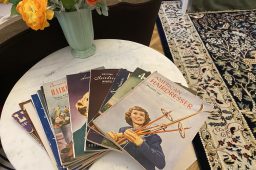


How to Stay Warm in Vintage Clothing: Practical Winter Tips for Dresses & Skirts
- November 28, 2025
- by
- The Glambassador
Dressing vintage in the winter takes a bit of strategy, especially if you wear dresses and skirts most days. Today I’m sharing exactly how to stay warm in vintage clothing without losing your personal style, comfort, or mobility.
I’ve lived in places with mild winters (San Diego), moderate winters (North Carolina & Washington D.C. Metro), and much colder European winters (Germany and Austria). Over the years I’ve learned how to stay warm without giving up vintage style, comfort, or mobility.
This guide pulls together everything I shared in my earlier YouTube video, plus a few new historical notes and modern tips you may find helpful.
Why Layering Has Always Been Key
Long before central heating, layering was the standard way to get through winter. Even in the 1930s and 1940s — eras we often romanticize as effortlessly stylish — people layered heavily under their clothing.
Women often wore:
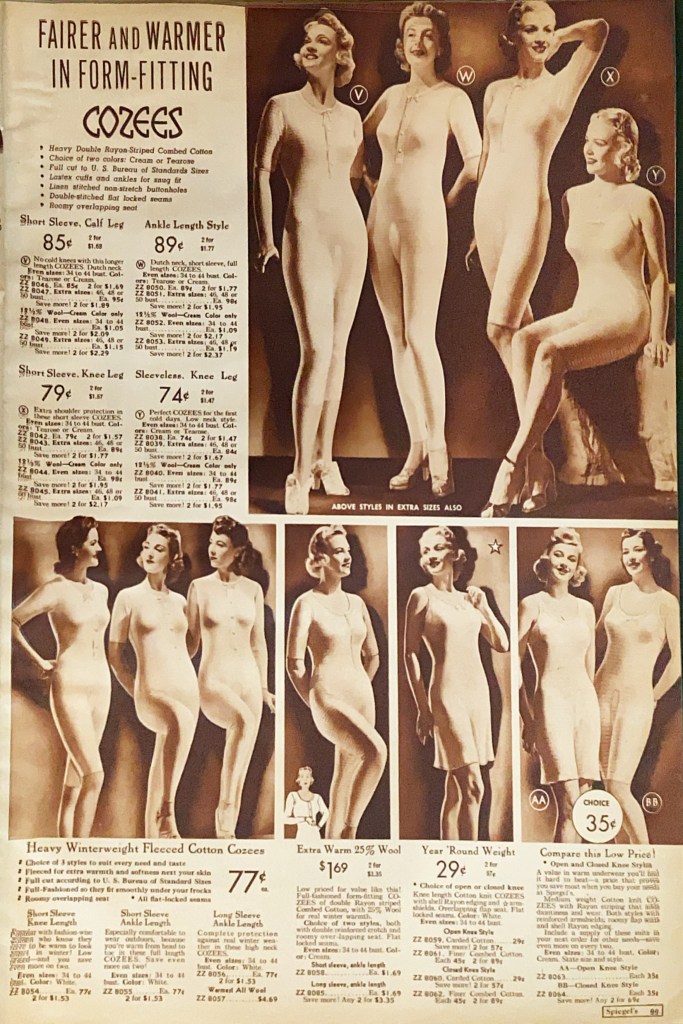
- Wool or silk underwear
- Rayon or silk slips
- Knitted vests or cardigan jackets
- Cotton or flannel petticoats
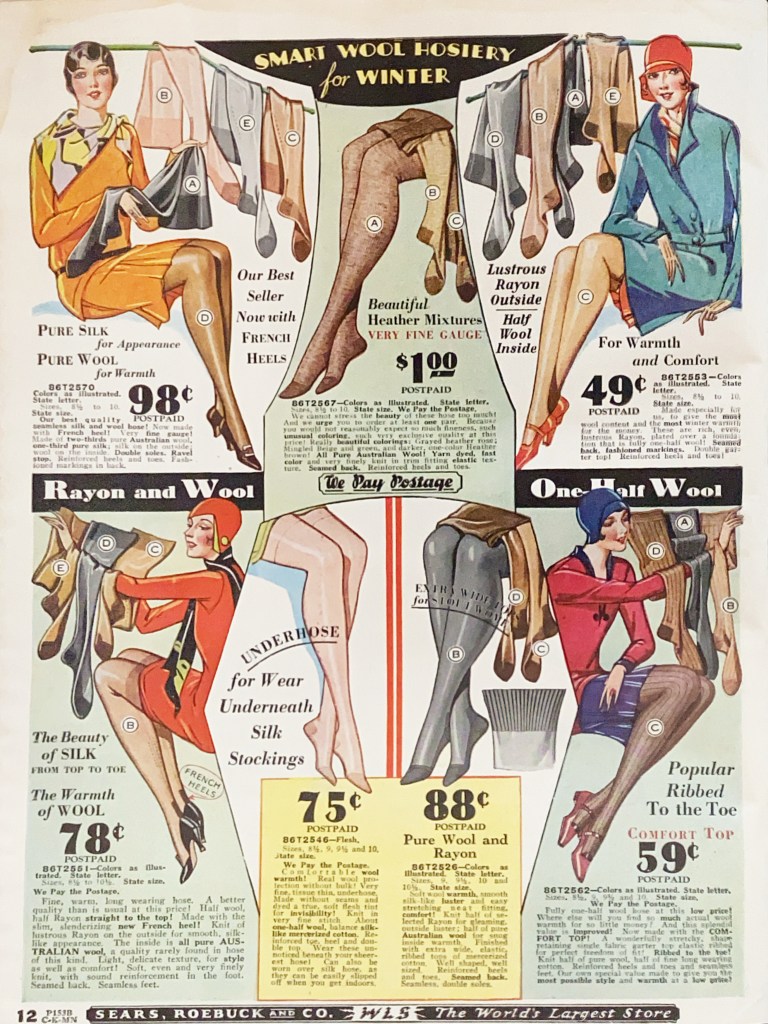
- Thick stockings or layered hosiery
These underpinnings weren’t always glamorous, but they worked. And the same principles still apply today — you just get to benefit from better fabrics and modern fit options.
Warm Vintage Outfits Start With Base Layers
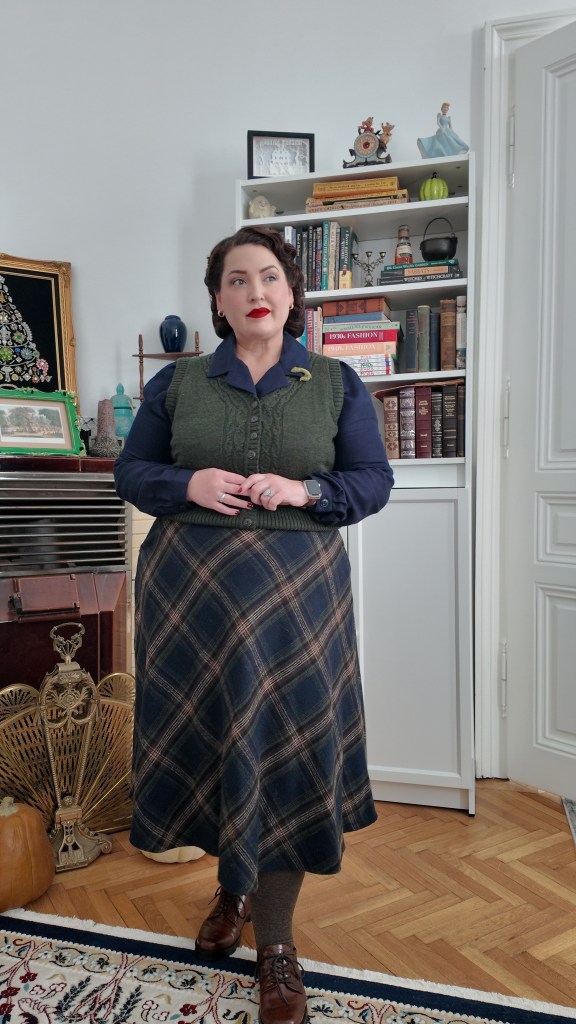
Learning how to stay warm in vintage clothing starts with choosing the right base layers. Your base layer does most of the work. I always say I’d rather wear quality pieces than pile on bulky layers that make me feel like the Michelin Man. A good base layer should keep you warm, feel comfortable against your skin, and disappear under your clothing.
Silk, Cotton, and Merino Wool
Silk is still one of my favorites because it’s lightweight, breathable, and surprisingly warm. It traps heat close to your body without feeling sweaty or restrictive.
But it’s definitely not your only option.
Cotton works well if you prefer something breathable and easy to wash. A cotton camisole or knit undershirt adds warmth without bulk, and it pairs nicely with both dresses and separates.
Merino wool is another fantastic choice, especially if you live somewhere colder. It’s soft, not itchy, regulates temperature beautifully, and stays warm even if you start to sweat a little. It also doesn’t add much bulk, making it a great pairing for 1930s and 1940s silhouettes.
What to look for:
-
Silk camisoles or long-sleeve base layers
-
Cotton camisoles, tanks, or knit undershirts
-
Lightweight merino wool thermal tops or long-sleeve layers
-
Silk or merino wool long johns for under trousers or tights
All three fabrics work differently, but they share one big advantage: warmth without bulk. Choosing the one that suits your climate and comfort level will make the biggest difference in how you feel throughout the day.

Add a Slip or Cotton Petticoat
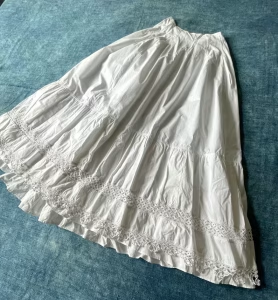
A cotton petticoat sounds simple, but it creates a warm bubble of air around your lower half. I prefer soft cotton styles instead of the fluffy, voluminous petticoats more common in 1950s fashion. Mine adds warmth without altering my 1930s–1940s silhouette.

Extra Tip:
If you’re wearing a shirt dress, try layering a skirt on top of the dress. The dress effectively becomes an underlayer for insulation. This trick was surprisingly common mid-century when women reused garments in creative ways to stay warm.
Choose the Right Middle Layer (Cardigans + Jackets)
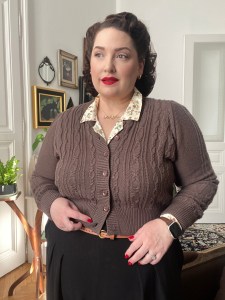
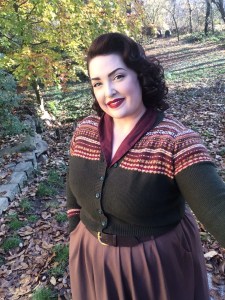
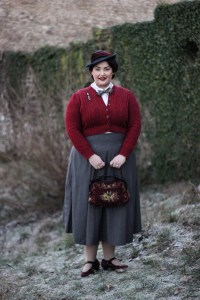
A cardigan is an easy way to add warmth without compromising vintage style. Wool is best, but thick cotton works too. Emmy Design is my go-to, although I also own a few surprisingly great Target cardigans that have held up beautifully.
Cardigan Tips
- Look for wool or wool blends
- A cropped fit works beautifully with mid-century silhouettes
- Wear a cardigan over a blouse, knit top, or dress for a clean layered look
Historically, knitwear was essential winter wear — especially during WWII. Women often knit cardigans and vests at home due to rationing, and magazines published patterns specifically labeled as “winter warmth” pieces.
How to Keep Your Legs Warm While Wearing Vintage Dresses
One of the biggest challenges in figuring out how to stay warm in vintage clothing is keeping your legs insulated when you’re committed to wearing dresses or skirts. Let’s be honest, skirts and dresses in winter are only fun if your legs aren’t freezing. There are a few ways to handle that depending on your climate.
Best Options
- Fleece-lined tights (if you can find them in plus sizes — still frustratingly limited)
- Ice skater tights (incredibly warm, thick, and made for cold conditions)
- Layered tights (a thicker pair + a sheer or colored pair over top)
- Tights over thin leggings or long underwear
Ice skater tights were originally developed for figure skaters practicing in unheated rinks — so yes, they’re warm enough for streetwear.
Tip for Boots:
If your boots come up to the ankle, no one will see where tights meet leggings.
Winter Fabrics That Help You Stay Warm in Vintage Outfits
Fabric choice matters more than people think. In cold weather, go for:
- Wool
- Tweed
- Flannel
- Gabardine
- Heavy cotton weaves
These fabrics appeared constantly in 1930s and 1940s winter catalogs. Sears catalogs even labeled dresses as “winter weight” with descriptions highlighting napped flannel or brushed rayon for extra insulation.
Fast fashion rarely uses fabrics like this anymore, which is why true vintage and well-made reproduction pieces often feel warmer.
Vintage Outerwear Tips: The Final Layer for Staying Warm
Your coat is a huge part of how to stay warm in vintage clothing, especially if you want warmth without sacrificing silhouette. Vintage-style coats tend to have great structure, but they can hide your outfit, so I treat my coat as part of the look.
What I do:
- Add a brooch to the coat if I’m wearing one underneath
- Use scarves and gloves to add contrast or coordinate colors
- Opt for wool or heavy lined coats for maximum warmth


And here’s a practical tip from experience:
Put on your gloves and scarf before you go outside.
If your hands are already cold, gloves can’t magically warm them.
Headwear and Accessories: Staying Warm in Vintage Style
We lose heat from any exposed skin, including our heads. Covering up makes a noticeable difference.
Best Options
- Wool berets (classic, inexpensive, vintage-friendly)
- Heavy felt hats
- Turbans
I especially love turbans because you can pull the sides down to cover your ears, a vintage trick women used in the 1930s and 1940s, especially in windy climates.
Check out my tips on how to wear a beret here: How to Wear a Beret
And learn how to tie a headscarf into a turban here: Turban Tutorial – Six Different Styles
A Quick Historical Note on Vintage Winter Dressing
Women in the 1930s–1940s didn’t have high-performance fabrics, but they did have:
- Flannel-lined underwear
- Wool stockings
- Rayon slips
- Heavy wool suit sets
- Fur-trimmed coats (popular for warmth, not ethics)
- Hand-knit accessories
In snowy climates, many women wore trousers at home or for chores even before they became widely accepted as streetwear. Practicality has always quietly coexisted with fashion, no matter what the movies tell us.
Extra Modern Tips That Still Fit Vintage Style
- Thermal insoles add warmth without altering your shoes
- Wool knee socks under boots create another hidden layer
- Longline knickers or bike shorts can add extra warmth without bulk
- Cashmere-blend tights are warm and breathable (if you can find your size)
- Handwarmers in coat pockets are a lifesaver at holiday markets
And please don’t feel like you need to “tough it out” for the sake of dressing vintage. Safety and comfort always come first — your style isn’t worth frostbite.
With the right fabrics and layers, you’ll quickly learn how to stay warm in vintage clothing no matter where you live. Winter doesn’t have to push you into jeans and parkas if that’s not your style. With thoughtful layering and the right fabrics, you can stay warm, comfortable, and fully vintage through the coldest months.
Check out this post for a bit of cooler weather style inspiration: Winter Lookbook Featuring Vintage Style Outfits from Emmy Design
If you have your own tips or tricks, I’d love to hear them — everyone’s climate and wardrobe needs are different, and sharing what works helps the whole community stay cozy.

Discover more from Chronically Overdressed
Subscribe to get the latest posts sent to your email.