

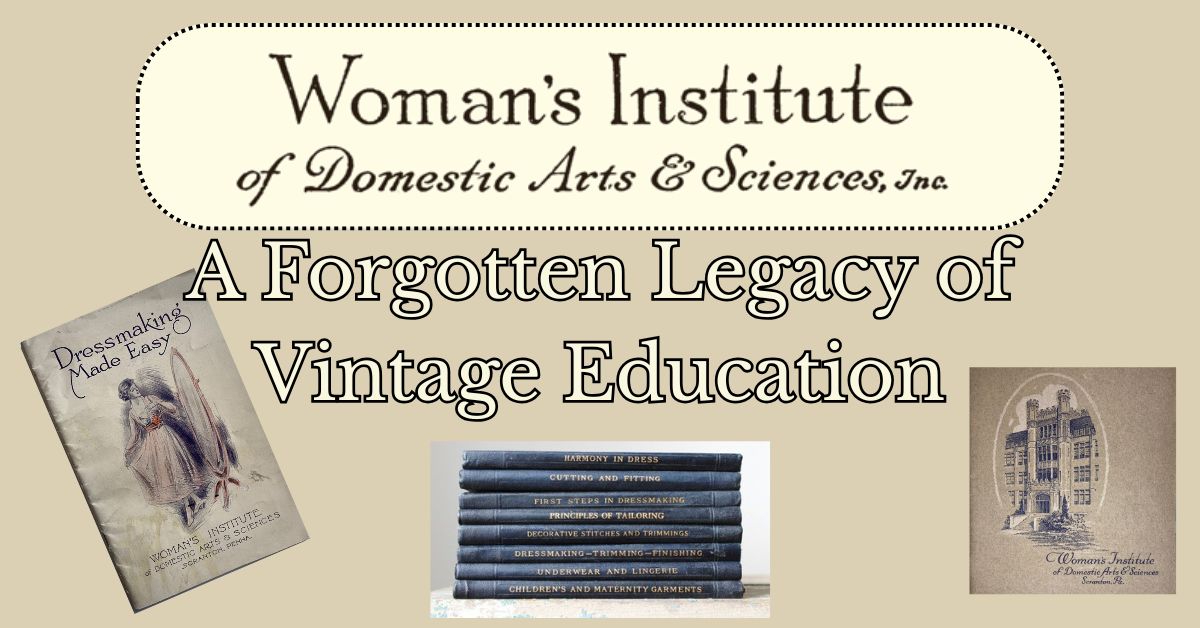
The Woman’s Institute of Domestic Arts & Sciences: A Forgotten Legacy of Vintage Education
- April 15, 2025
- by
- The Glambassador
Can you imagine a world where learning the art of dressmaking, millinery, or homemaking was as easy as receiving beautifully written lessons in the mail? No YouTube tutorials, no online masterclasses—just an elegant set of booklets teaching you everything from the perfect hem to the secrets of harmonious dressing.
Well, if you had lived in the early 20th century, that world would have been your reality, thanks to The Woman’s Institute of Domestic Arts & Sciences.
A Correspondence School for the Domestic Arts
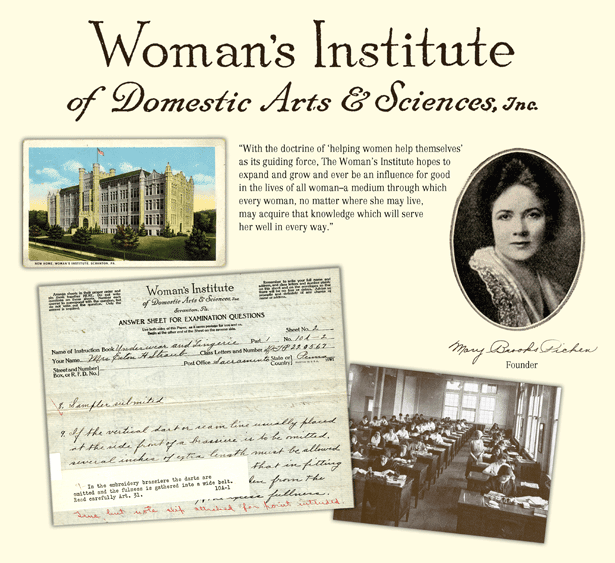
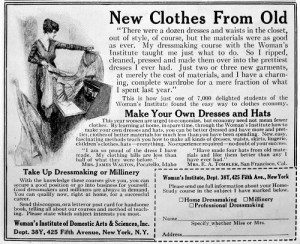
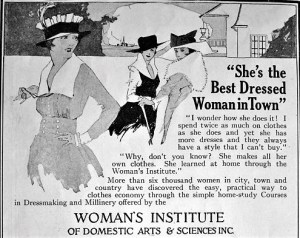
Founded in 1916 by Mary Brooks Picken in Scranton, Pennsylvania, The Woman’s Institute of Domestic Arts & Sciences was a groundbreaking correspondence school aimed at educating women in practical and artistic domestic skills. At its peak, it had nearly 300,000 students—an impressive feat, considering women had far fewer educational opportunities than today.
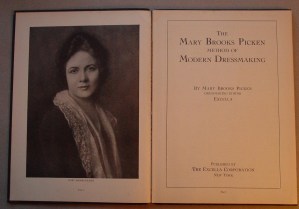
The Institute provided detailed, structured lessons on sewing, millinery, dressmaking, cooking, and fashion design. Women from all walks of life—whether living in a big city or a rural town—could receive these lessons in the mail and educate themselves from home. Many went on to start their own businesses, supplement their family income, or simply create beautiful things for themselves and loved ones.
This wasn’t just a home-ec class—it was a structured, empowering education designed to elevate women’s skills and independence.


Affordable and Accessible Education
The cost of enrollment at the Institute was surprisingly reasonable, making it accessible to a wide range of women. In 1928, the basic dressmaking course was listed at just $44. Many students paid in installments as low as $3-$5 per month, and those who enrolled in both dressmaking and tailoring could secure a dress form on loan with a $10 deposit. This flexible payment system allowed women to invest in their education without financial strain, and many recouped their costs by taking on piecework, commissions, or starting their own businesses after graduation.
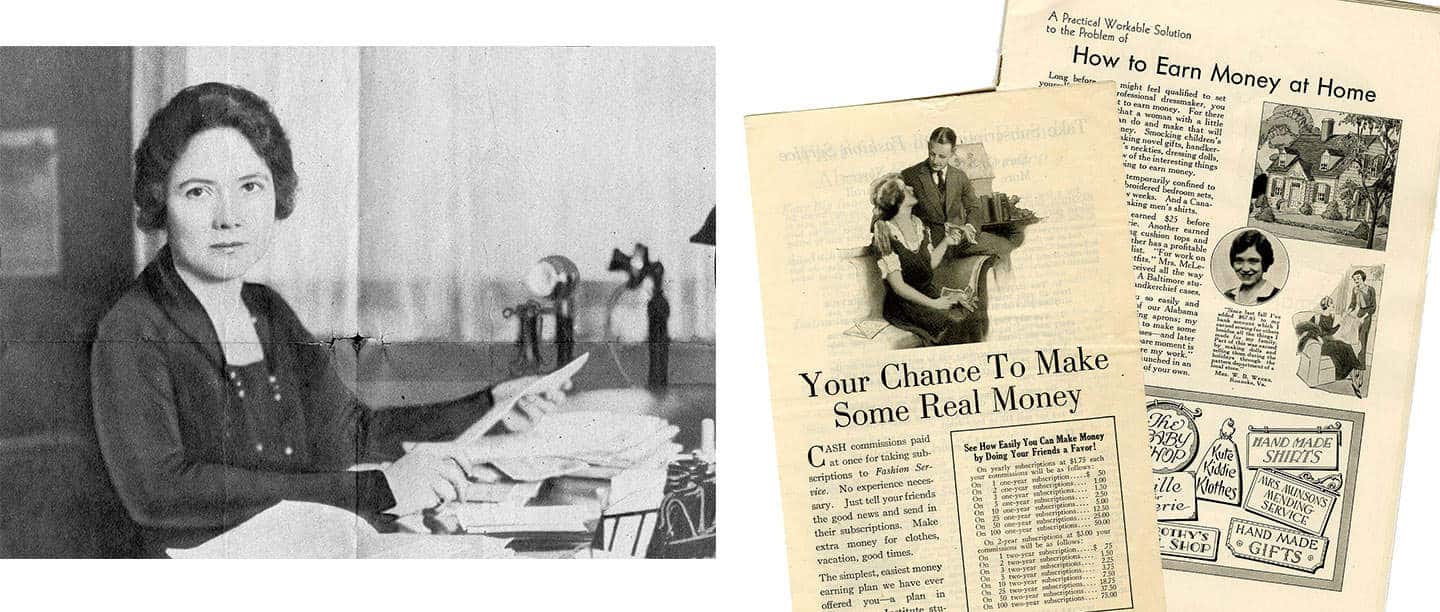
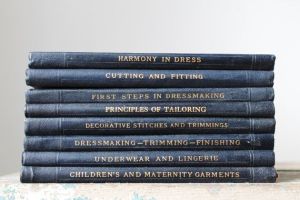
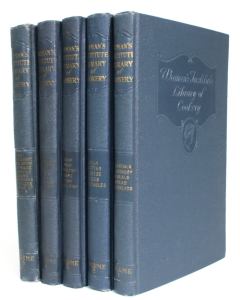
Students received an impressive set of materials with their enrollment, including instruction booklets, answer sheets, pattern paper, a tailor’s square, a tape measure, and garment blocks. The coursework was interactive—students completed stitching exercises, answered examination questions, and sent them back to the Institute to be graded by instructors. Successful completion of the program earned students a beautifully designed certificate of graduation, a prestigious acknowledgment of their skills and dedication.
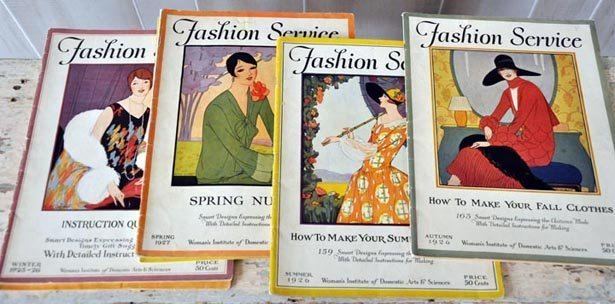
Being a student of the Woman’s Institute meant joining a supportive network designed to help them succeed. Students could mail in questions on official Woman’s Institute stationery using pre-printed envelopes and receive handwritten responses from instructors. They could also join or establish local clubs and report on their group’s progress. Additionally, the Institute provided access to discounted fabrics, sewing tools, and notions, as well as exclusive magazine subscriptions available only to registered students.

The Rise and Fall of the Institute
The Woman’s Institute thrived during the 1920s and 1930s, a time when many women sought practical skills to contribute to their households or establish independent businesses. Mary Brooks Picken, a prolific writer, published dozens of books on sewing and fashion, and her expertise helped shape the curriculum. The Institute’s instructional materials were considered some of the most comprehensive and well-structured domestic arts guides of the era.
The courses were marketed toward women who wanted to improve their domestic abilities as well as those looking to turn their skills into professional careers. Many students opened their own dressmaking or millinery businesses, and the Institute provided support for those looking to earn a living through their craft. The school even had an international reach, with students enrolling from various countries.
During the Great Depression, enrollment remained strong as many women turned to sewing and dressmaking as a means of financial support. However, by the late 1930s, the landscape of women’s education and workforce opportunities began to shift. The availability of ready-to-wear fashion, World War II workforce demands, and increasing access to traditional higher education for women lessened the demand for correspondence courses in domestic arts. Additionally, the rise of electric sewing machines and factory-made clothing made it easier and more affordable for families to purchase garments rather than make them at home.
The Institute eventually closed in the late 1930s, marking the end of its 20-year reign. However, its impact lived on through the many students who benefited from its teachings, as well as the instructional materials that continued to circulate in the form of books and pamphlets. Today, collectors and vintage enthusiasts still seek out original Woman’s Institute materials for their rich, detailed guidance on vintage sewing and homemaking.
If It Existed Today: A 21st Century Reinvention
Imagine if The Woman’s Institute of Domestic Arts & Sciences still existed today. What would it look like?
-
Online Courses & Digital Learning
Instead of mailing out physical booklets, lessons would be delivered through an elegant, vintage-inspired online platform. Think beautifully designed PDFs, video tutorials, and interactive sewing projects.
-
A Community of Learners
One of the best things about modern learning is the ability to connect with like-minded individuals. A modern Woman’s Institute could have a vibrant online community where students share progress, troubleshoot projects, and celebrate their work. Picture a virtual sewing circle where vintage enthusiasts discuss their latest creations over a cup of tea.
-
Skill-Based Certification
Much like modern online education platforms, the Institute could offer structured courses that culminate in certificates of completion—ideal for those looking to start a business or gain credibility in the vintage fashion space.
-
Practical, Everyday Applications
Beyond dressmaking, imagine a module on “Vintage-Inspired Sustainable Living” that teaches readers how to apply historical homemaking skills to modern life—mending clothing, repurposing fabric, or even making homemade beauty products using vintage recipes.
What We Can Learn from the Past
The beauty of The Woman’s Institute wasn’t just in the skills it taught, but in the way it empowered women to be self-sufficient and creative. In an era before mass-produced fast fashion, knowing how to sew meant having control over one’s wardrobe, style, and even financial future.
While we no longer rely on correspondence courses for education, we can still take inspiration from its philosophy. Here’s how:
- Learn a Skill with Dedication: Instead of watching a quick five-minute tutorial, consider investing time in mastering a vintage technique—whether it’s sewing a garment from scratch, learning proper hat-making, or perfecting your wet set.
- Embrace Slow Fashion: The Institute promoted quality over quantity. Instead of buying disposable fashion, why not invest in (or make!) garments that will last for years?
- Create a Vintage-Inspired Study Routine: Set aside time each week to learn a new vintage skill, just like students of the Woman’s Institute did. Whether it’s embroidery, millinery, or even vintage homekeeping techniques, approach it with curiosity and consistency.
Bringing Vintage Learning into Your Life
If the idea of a modern Woman’s Institute excites you, here are some ways to bring a little of that old-school educational charm into your life:
- Build Your Own ‘Correspondence Course’
- Gather vintage books, PDFs, or instructional guides on a skill you’d like to master.
- Set a weekly schedule to study and practice.
- Document your progress in a journal or blog (or even share on social media for accountability!).
- Find a Vintage Learning Community
- Join vintage sewing Facebook groups or online forums.
- Take part in virtual sewing challenges or vintage-inspired crafting events.
- Connect with like-minded vintage enthusiasts who can encourage and support your learning journey.
A Timeless Concept with Modern Appeal
The Woman’s Institute of Domestic Arts & Sciences was more than a school—it was a movement. It gave women the tools they needed to express themselves, support their families, and gain financial independence through craftsmanship.
So, what vintage skill have you always wanted to learn? Maybe it’s time to start your own modern-day Woman’s Institute education—right from the comfort of your home.


Discover more from Chronically Overdressed
Subscribe to get the latest posts sent to your email.
You may also Like



2 Comments
Suzanne
15th Apr 2025 - 9:51 pmLoved reading this! I would love to get my hands on one of those books. It would be such fun to read. I’m thinking I would study embroidery. Or maybe how to make a quilt 🙂
olevedaryon83
20th May 2025 - 3:49 amelectrifying! 5 2025 The Woman’s Institute of Domestic Arts & Sciences: A Forgotten Legacy of Vintage Education regal